



Trauma remains the leading cause of death in people under the age of 45, making it not only a medical emergency but a public health crisis. In a 2021 study published in the Journal of Trauma and Injury, researchers at Gachon University Gil Hospital analyzed 411 severe trauma deaths between 2015 and 2017 to better understand which deaths were preventable and why.
Their findings were striking. The overall preventable death rate was 8%. Of these, 0.5% were classified as definitely preventable and 7.5% as potentially preventable. While this is a significant improvement compared to previous national rates in Korea, it still highlights gaps within trauma systems that demand attention.
What was the most common death? Traumatic brain injury. Most of those cases were considered non-preventable due to the injury severity. However, this was not the only preventable death. Another one was massive hemorrhage and multiple organ failure that also factored into these preventable outcomes.
Patient Receiving Blood Transfusion
Image Source: Jochen Sands
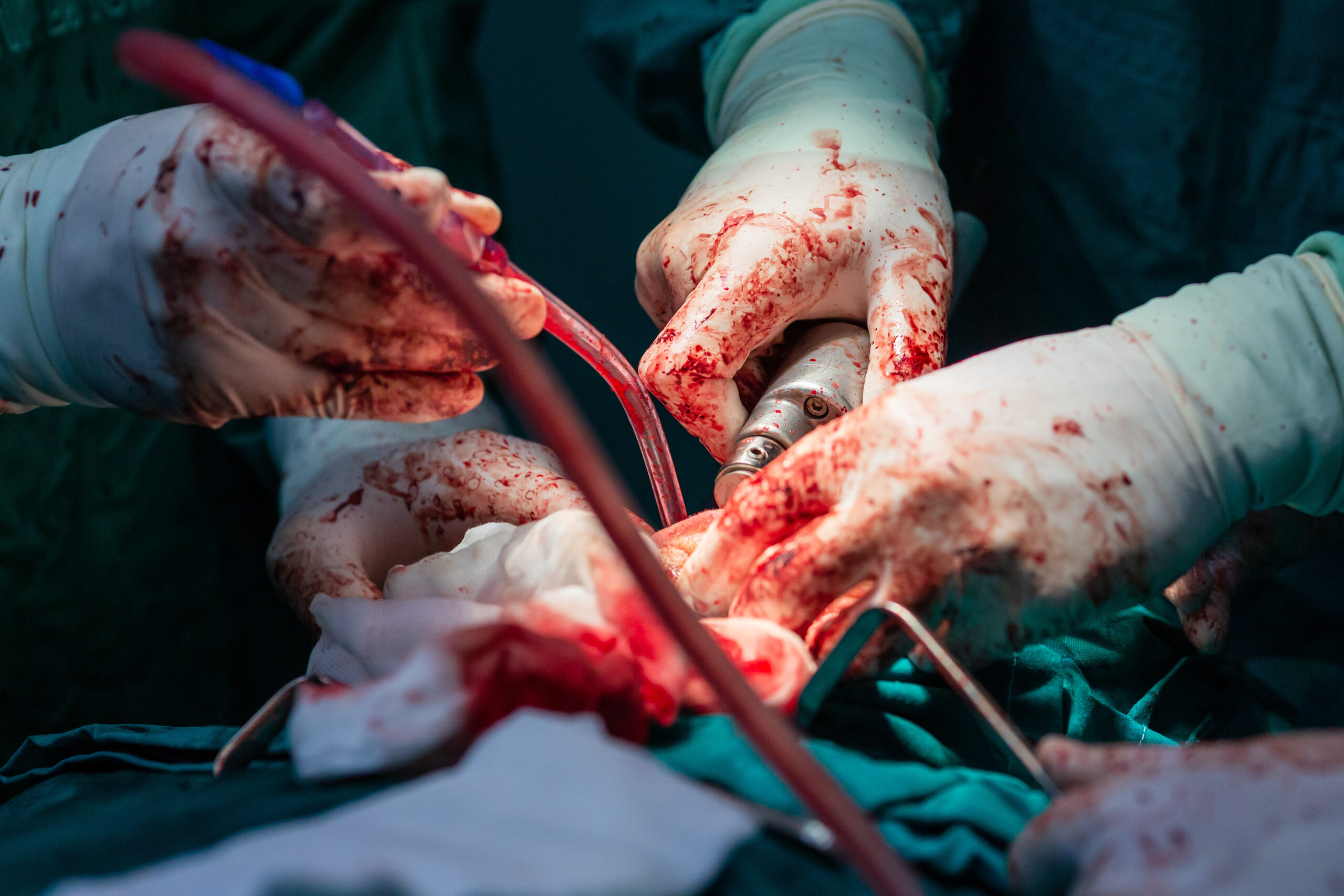
From these patients who died from bleeding, 15.6% of deaths were considered preventable. This is a massive problem that reinforces a critical point in trauma care: uncontrolled bleeding remains one of the most time-sensitive and great threats to survival. Researchers took a deeper dive into the delayed control time of hemorrhages and protocol errors.
The study identified 42 treatment-related errors across 33 preventable deaths. The most common issue was delayed control of hemorrhage, accounting for nearly one-third of documented errors. In several cases, surgery or angiographic intervention was delayed despite hemodynamic instability. Errors also occurred in intensive care management, failure to diagnose abdominal injuries, and improper decision-making during early treatment stages.
Notably, many errors occurred either immediately upon arrival or later in the ICU. This shows how trauma mortality is not only determined in the operating room, but across the entire basis of care. Early decision-making, timely hemorrhage control, and coordinated critical care all play essential roles in survival.
The authors conclude that identifying preventable deaths is essential for improving trauma systems. By recognizing patterns in delayed treatment, transfer inefficiencies, and ICU management errors, institutions can implement targeted protocols and training to reduce mortality. Appropriate trauma systems, structured education, and continuous quality monitoring remain necessary to further decrease preventable trauma deaths.
Trauma deaths are not always inevitable, in fact- it is, Seconds to Survive. When bleeding is controlled quickly and systems function efficiently, survival improves. The difference between life and death often lies not in the injury itself, but in how rapidly and effectively care is delivered.
Featured Image Source: Gardinovacki