

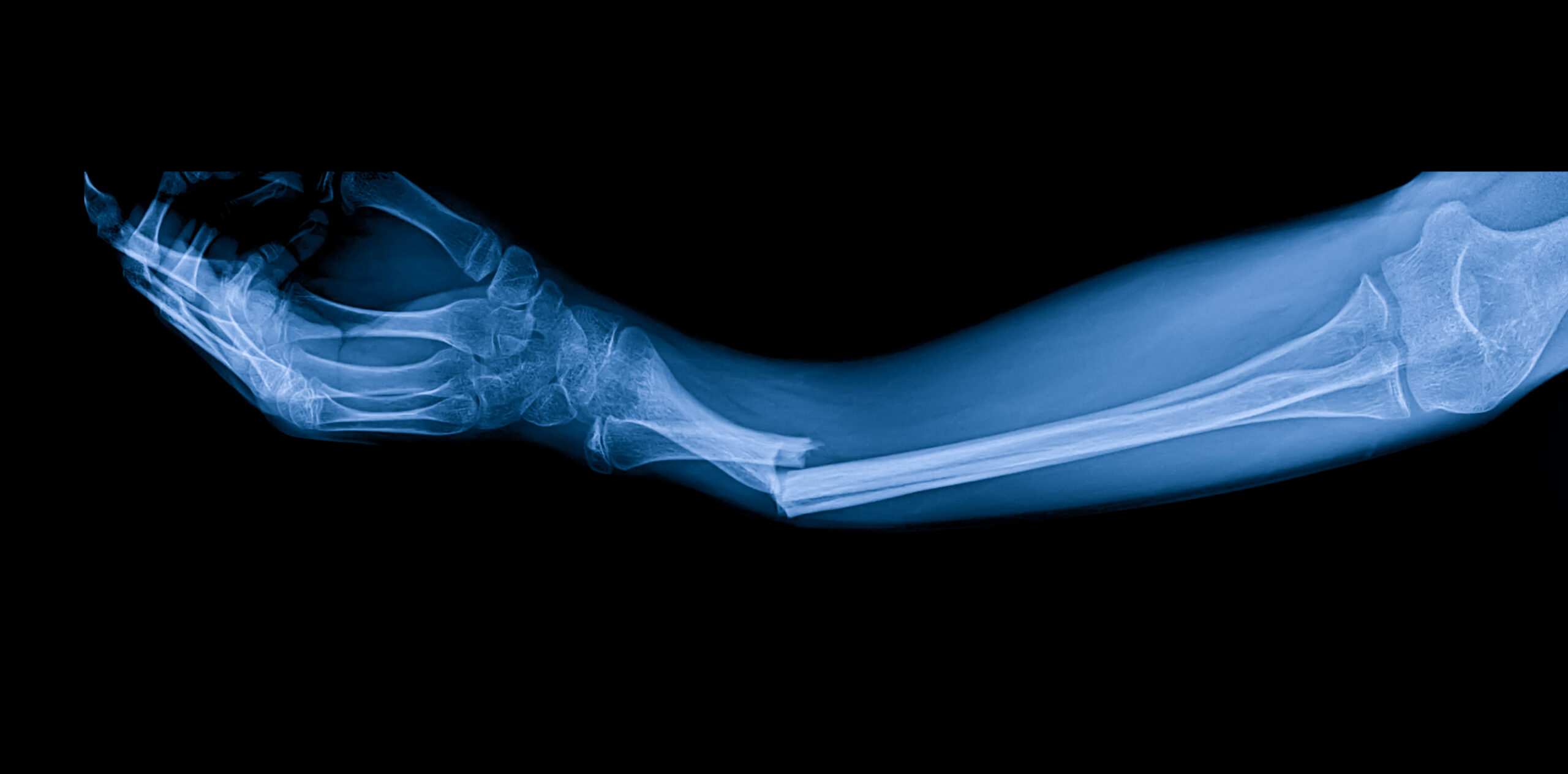


What is a fracture? A break or split of a bone. And the most common cause of fractures? Osteoporosis, when bones become brittle due to tissue loss caused by hormone changes or vitamin deficiencies. So who gets osteoporosis and how? This disease is most common in postmenopausal white and Asian women over the age of 50.
Based on data from the WHO (World Health Organization), a sample of women in Minnesota found that an estimated 30% of postmenopausal Caucasian women in the United States have osteoporosis. Additionally, 54% of osteopenia occurs in the hip, lumbar spine, and mid-radius.
Viewed at a population level, these numbers suggest that bone weakening is not a marginal issue but a widespread condition affecting a substantial portion of aging women in the United States. When nearly one-third of postmenopausal Caucasian women meet criteria for osteoporosis and more than half of early bone loss is concentrated in specific skeletal sites, fracture risk becomes a shared pattern rather than an isolated outcome. This prevalence underscores how common bone vulnerability is before fractures ever occur, particularly among women entering later adulthood.
Fracture in Action
Image Source: Anadolu
As a result, a large portion of women enter later adulthood with bones that are already weakened in key weight-bearing areas like the hip and spine. In Caucasian women alone, nearly one in three is affected by osteoporosis, and more than half of bone loss occurs in regions most vulnerable to serious fractures. As bone density declines in these critical areas, even minor falls or low-impact injuries can result in fractures that dramatically alter mobility and quality of life.
These patterns show that fractures are not random events but predictable outcomes of long-term bone weakening. The concentration of bone loss in the hip and spine helps explain why fractures in these areas are both common and severe, often occurring after minor falls rather than major trauma. This reinforces the idea that fracture risk is shaped well before an injury happens, developing gradually as bone density declines over time.
Knowing this, the question becomes less about whether fractures will occur and more about why certain populations are consistently more affected. When bone loss is concentrated in specific regions and disproportionately impacts women after menopause, fracture patterns reflect underlying biological and structural trends rather than chance. Understanding why women experience higher rates of bone weakening is essential to explaining why they account for a significant share of America’s most common fractures.
Featured Image Source: Issara