


For many kidney transplant patients, receiving the new organ is only the beginning of a lifelong medical journey. After surgery, patients take several medications daily to prevent their immune system from attacking the transplanted kidney. While these drugs are important for maintaining proper health, they also come with serious side effects. Moreover, the daily regimens become inconvenient over time. Luckily, a new study from the University of California, San Francisco (UCSF) suggests there may be a better option.
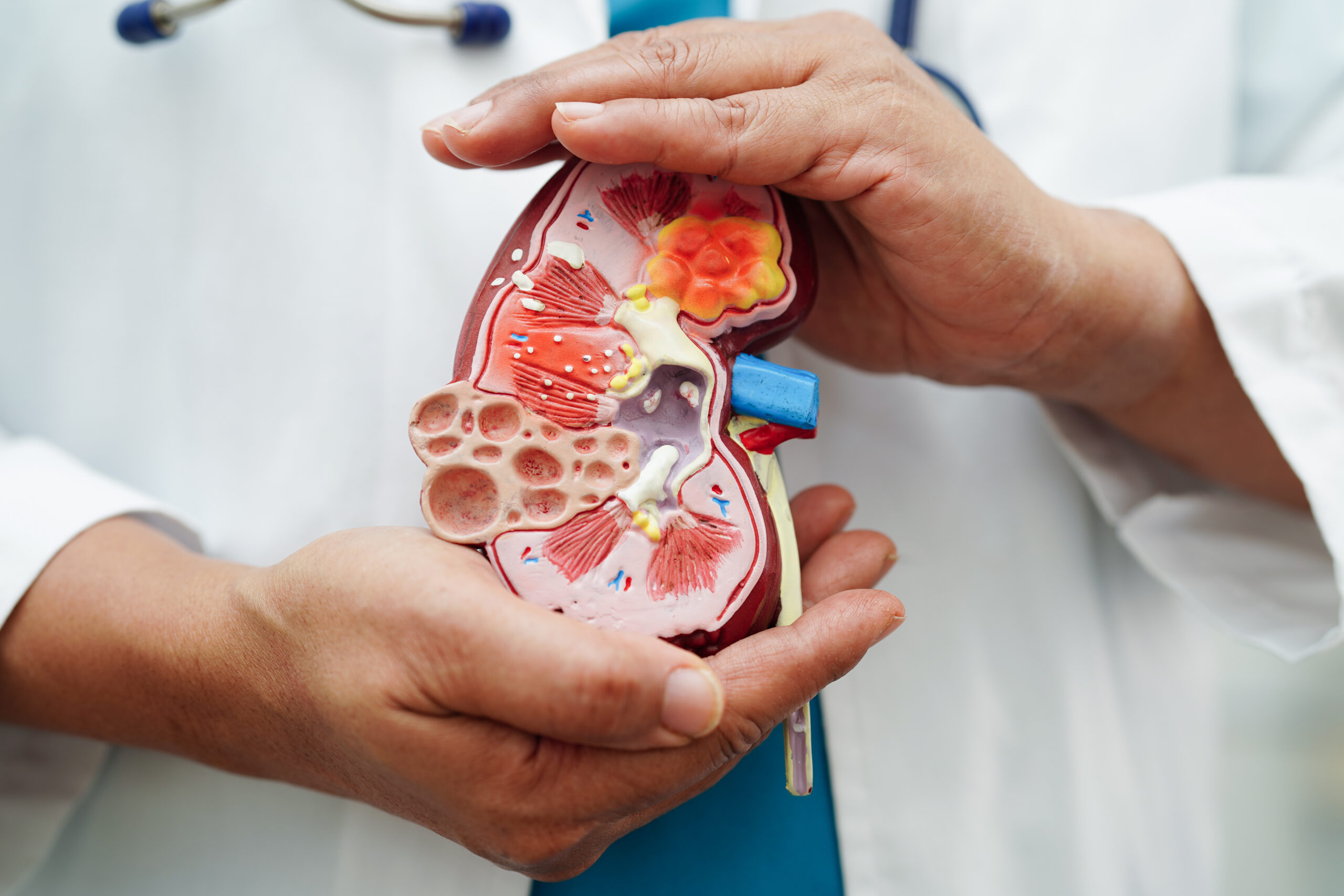
Kidney transplant surgeries are complex, difficult surgeries, but they’re only the first step towards improved kidney health.
Image Source: Owen Franken
Researchers tested a new treatment approach using monthly infusions of two drugs, belatacept and dazodalibep. Instead of remembering to take a complicated combination of medications every day, patients would only need to receive monthly infusions at a clinic. Researchers hoped the simpler schedule would improve medication adherence and reduce stress for patients adjusting to life after transplantation. In addition, the results showed that the new therapy may have also improved kidney function and reduced the toxic side effects of current transplant medications.
The current standard of care is treatment with calcineurin inhibitors, a class of immunosuppressive drugs. Although effective at preventing graft rejection, these drugs can cause progressive kidney damage because they inhibit calcineurin, an enzyme essential for normal physiological function. These medications are also linked to side effects such as diabetes, nausea, stomach pain, and tremors.
But this new treatment works differently. Belatacept and dazodalibep are proteins that block specific immune system signals involved in organ rejection, rather than broadly suppressing an enzyme needed by all the body’s cells. Researchers believe this targeted approach could protect transplanted kidneys while reducing harm to the rest of the body.
In the Phase 2 clinical study from UCSF, 23 kidney transplant patients received the infusion-based therapy. Although some patients experienced episodes of rejection, the study found that kidney function improved in patients who completed treatment. Importantly, none of the patients developed antibody-mediated rejection, one of the leading causes of transplant failure. This occurs when the patient’s immune system recognizes the transplanted organ as foreign and produces antibodies that attack it.
Although larger confirmatory studies are still needed, the findings offer hope for a future where kidney transplant patients can maintain healthier organs with fewer side effects and less daily burden. For thousands of people living with transplanted kidneys, this could represent a major improvement in quality of life!
Featured Image Source: manassanant