

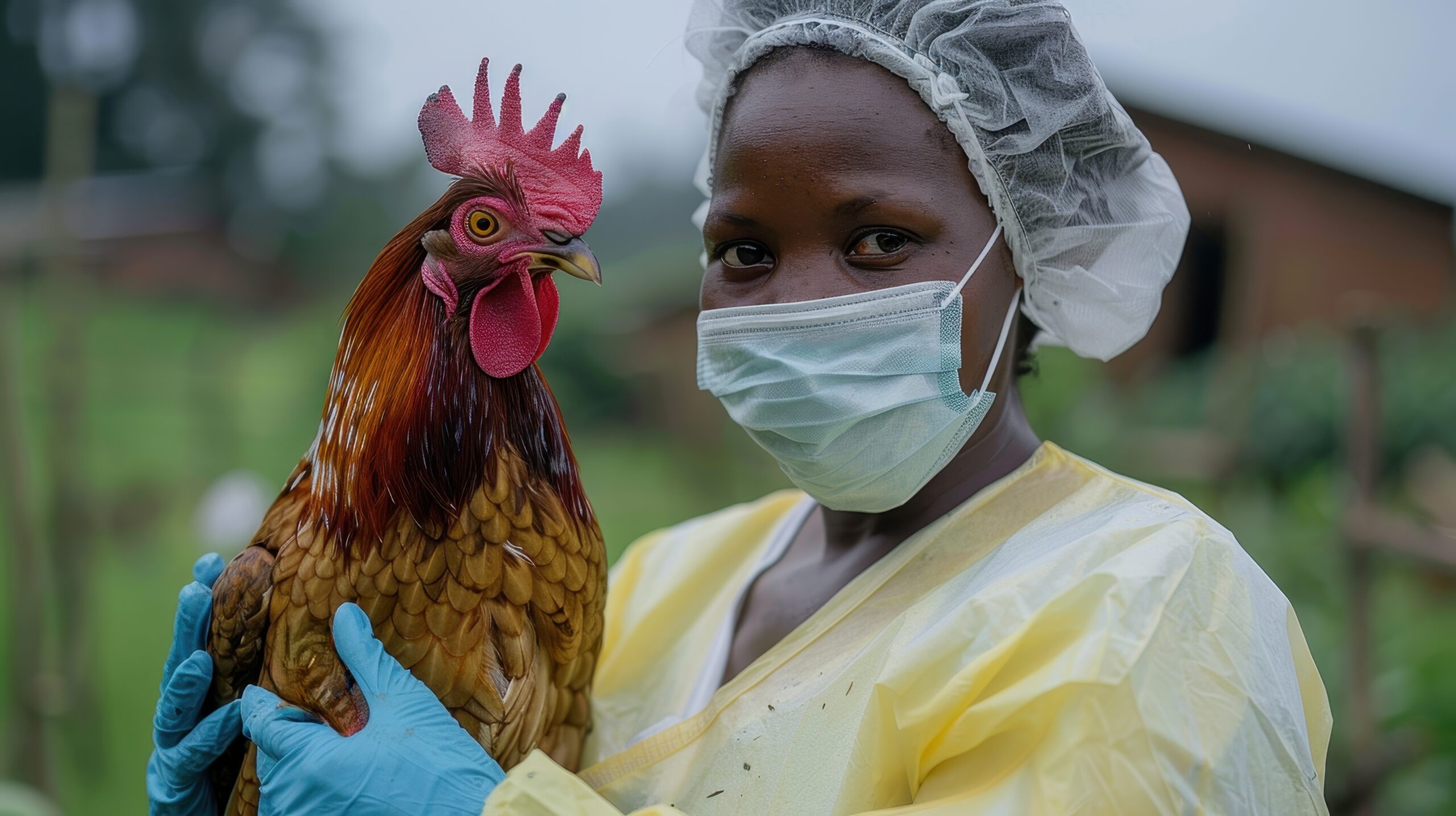


Avian influenza refers to a respiratory virus that primarily is spread among birds. Mild symptoms consist of coughing, sore throat, and fever—much like the common seasonal cold. More severe symptoms may require hospitalization, which include eye infections, diarrhea, chest pain, and shortness of breath.
Due to chicken deaths from recent avian influenza outbreaks, humans have seen the consequences in commercial egg shortages and higher grocery prices. However, as stated by a recent Nature article, avian influenza doesn’t just kill birds; its H5N1 strain has caused 21 human deaths since 2020 and even infected cattle in North America. In addition, a lesser-known strain, H9N2, is beginning to adapt to infect humans and should be on the watchlist for future pandemic causes.
H9N2 has reportedly infected 173 people worldwide since 1998. However, the true number of people infected by this strain is likely higher than that. Some cases aren’t counted in official records because patients experience milder symptoms and don’t require hospitalization. Other cases may have been mistaken for the H5N1 strain, which is more common. Though H9N2 has not adapted for transmission between humans, it has undergone significant mutations that have enabled it to readily infect human cells when comparing samples from 1999 and 2024. This increase in binding capability to human cells highlights that this strain is continuing to adapt and may be classified as a pandemic in the future once it can be transmitted between humans.
H9N2 has experienced significant mutations that indicate it may more readily infect humans in the future, though the virus needs to adapt to the environment of a human host before this happens.
Image Source: Eugene Mymrin
There are many more barriers the virus needs to overcome in order to reach this stage and be categorized as a pandemic, such as being able to survive at the particular pH and temperature of a human host. However, scientists warn that more monitoring should be done for mammals that are in close proximity to birds and avian influenza. If a cow is infected with multiple viruses along with avian influenza, for example, viral mechanisms can combine to create a more efficient infection mechanism for all mammals.
To prevent the development of the H9N2 strain and forestall another pandemic outbreak, medical professionals can use this knowledge of H9N2’s prevalence to screen for the disease, while scientists and public health officials can continue to monitor its progression in high-risk areas.
Featured Image Source: Pure Imagination