



Pancreatic cancer is a type of cancer that begins with the uncontrolled growth of cells in the pancreas. This cancer is rarely detected in its early stages, as symptoms begin to arise after the cancer has already spread to other organs. It is estimated to cause death in about 50,000 people in the United States and 467,000 people worldwide every year, with 90% of those diagnosed dying within five years. These devastating statistics are mainly due to the ineffective treatments and poor preventive care currently available for pancreatic cancer. However, pancreatic cancer can serve as a baseline for discovering treatments for other cancers, as it is one of the most treatment-resistant cancers.
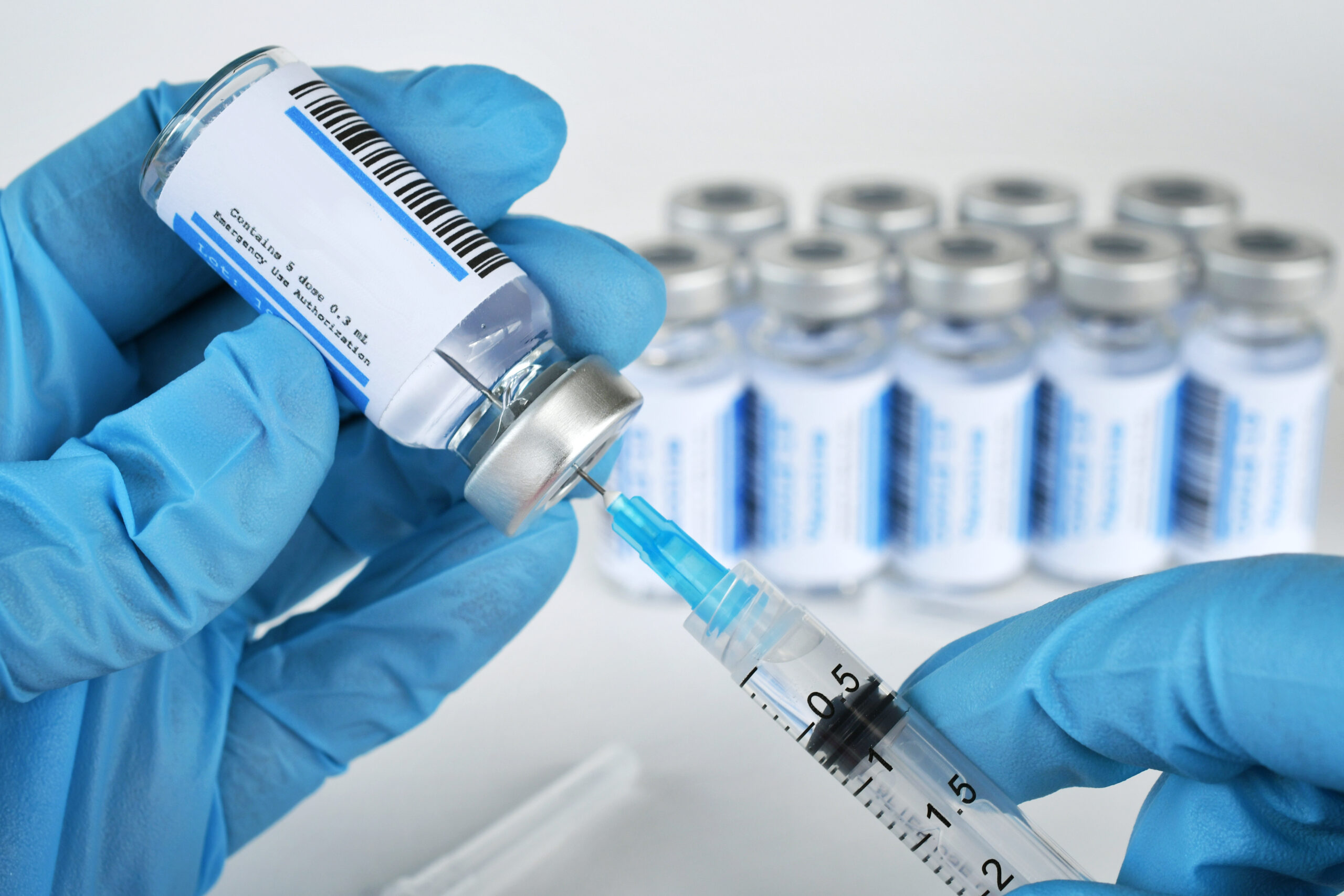
Studies have shown that long-term survivors of pancreatic cancer naturally develop antitumor immunity to neoantigens, which are proteins that form on cancer cells as a result of mutations. This discovery sparked the idea that giving patients immunity to neoantigens with vaccines could mimic the natural immune response observed in long-term survivors.
Cancer cells are created by genetic mutations, resulting in their abnormal appearance.
Image Source: koto_feja
Results from a phase I trial that incorporated surgery, chemotherapy, inhibitory antibodies, and bespoke, or custom-made, RNA vaccines in patients with pancreatic cancer demonstrated that bespoke RNA vaccines for tumor-specific neoantigens triggered the production of immune cells called CD8+ T cells. This was a good sign for the study since the presence of CD8+ T cells is correlated with delayed cancer recurrence. In the study, eight patients received vaccines that produced CD8+ T cells, and six of them remained cancer-free for an average of about 3.2 years. In contrast, cancer recurred in seven of the eight patients who did not receive CD8+ T cells after surgery.
The vaccine-generated T cells also showed potential to carry on and maintain their effective anti-tumor activity. Data showed that vaccine-induced CD8+ T cell clones are predicted to average a lifespan of about 7.7 years post-boost. These results suggest a correlation between the cancer-free state seen in patients and the consistent immune activity generated by the vaccine.
With this information and further research, there is hope that bespoke RNA vaccines targeting neoantigens can be used against pancreatic cancer and many other types of cancer. The vaccine can generate a long-lived immune response in patients, potentially prolonging the length of time they remain cancer-free.
Featured Image Source: MargJohnsonVA