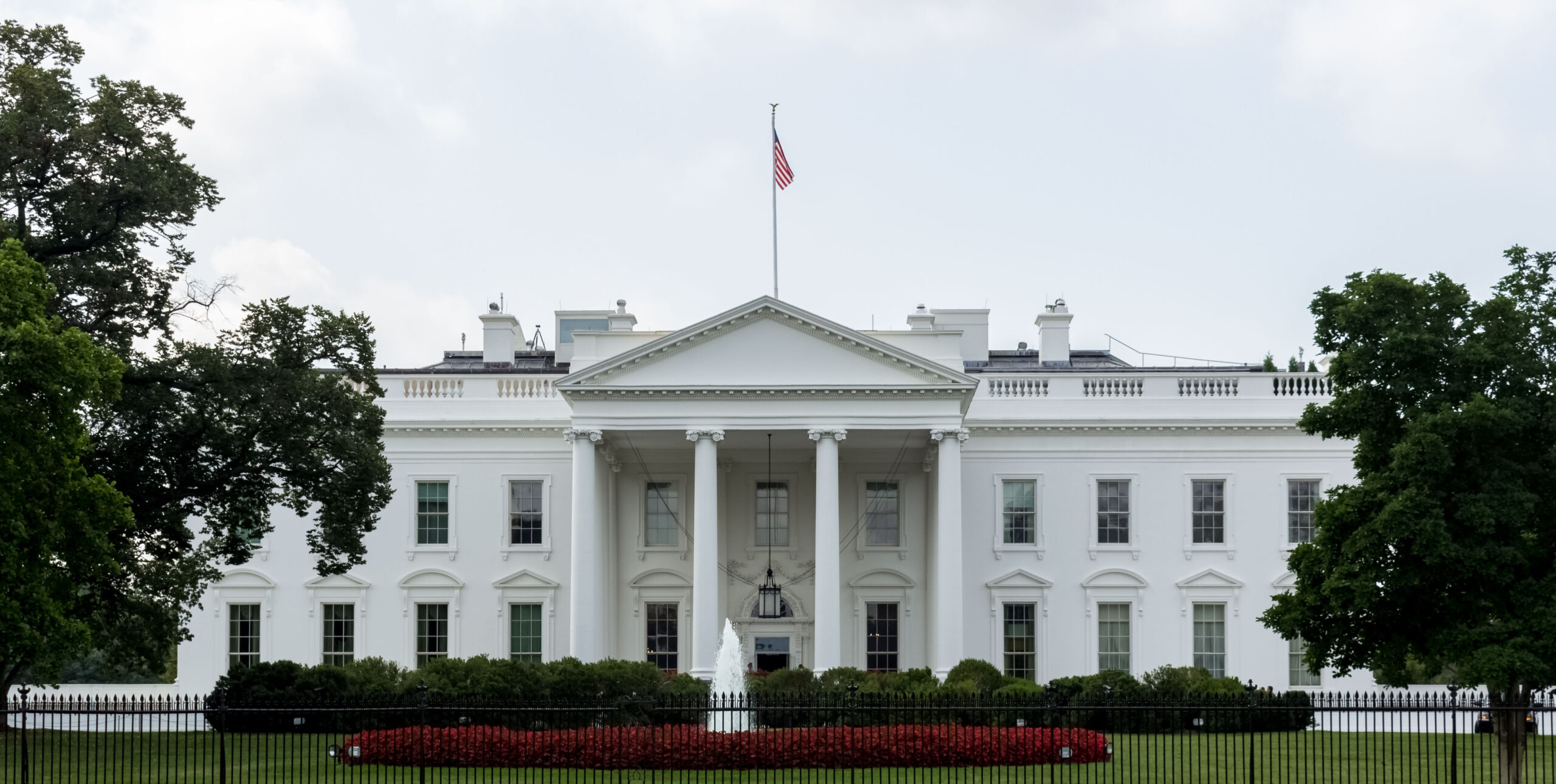


Only 8 hours into office, President Trump withdrew the US from the World Health Organization (WHO). The U.S. contributes a significant amount of funding for the WHO because of its high GDP and voluntary contributions, which help the organization share novel health-related information, for example, the sequence of the COVID-19 virus during the recent pandemic, and provide aid to conflict zones like Gaza. Although this decision has some positive outcomes, such as reducing national expenditure, it also raises significant concerns about the broader impact on global health efforts and international collaboration.
This decision severely impacts the organization’s ability to receive appropriate funding. It therefore affects its efforts to prepare for future health crises like the recent COVID-19 pandemic, which happens to be the very reason the Trump Administration withdrew its funding from the organization in the first place. President Trump argues that WHO was not trustworthy during the pandemic, which fueled skepticism among other nations as well. However, the administration forgets the tremendous initiatives of the WHO for the eradication of smallpox and near-zero polio cases globally.
Changes in American Healthcare System
Image Source: VladSt
The impact of this decision on the world could be devastating, including an increase in disease outbreaks and reduced preparedness for the next global epidemic. This decision not only has global implications but also implications within the US itself. Withdrawing from the WHO means a lack of access to the world’s health databases, which puts the U.S. at a further disadvantage in handling the next health crisis. Disadvantages could include reduced effectiveness of flu vaccines because of the ever-changing strains of the influenza virus. This would then result in more reported hospitalizations and deaths in the U.S. healthcare system.
The COVID-19 pandemic has created a rift between world leaders, impacting billions of people worldwide. This decision severely reduces the interdependence between nations, changing the balance of global trust. Investing in the WHO would improve global relations, in addition to promoting the goal of protecting populations from health crises. Therefore, renewing U.S. aid to WHO would improve foreign relations, in addition to increasing the degree of preparedness of Americans for the next global health emergency and ensuring better protection for its citizens.
Featured Image: Simon