



Alzheimer’s disease is a progressive brain disorder that slowly destroys a person’s memory and cognition, making it difficult to carry out thinking skills and simple tasks. It is also the most common cause of dementia and accounts for 60-80% of all dementia cases. Alzheimer’s disease worsens over time, and the greatest known risk factor is aging; it is typically seen in individuals who are 65 and older. Unfortunately, there is currently no cure for Alzheimer’s disease, but researchers are looking at repurposing certain drugs that may show promise as a treatment option. One of these is bambuterol, a long-acting anti-asthmatic prodrug, which is a special kind of drug that only has an effect once it is converted to another chemical in the body.
Bambuterol releases terbutaline, a chemical that activates beta-2-adrenergic receptors (β2-AR). These receptors are primarily used to treat asthma but are also found in the brain. β2-AR offers a different approach to preserving cognitive function and mitigating Alzheimer’s disease as they help brain cells communicate with each other and relieve harmful neuroinflammatory responses. By activating β2- AR, researchers believe bambuterol could really help in reducing the symptoms of Alzheimer’s disease.
Recent studies using mice models suggest that repurposing bambuterol as a drug to treat Alzheimer’s may be leading us in the right direction. The research focused on the effects of bambuterol on neurons exposed to amyloid-beta (Aβ) oligomers. Amyloid-beta (Aβ) oligomers are toxic proteins that are believed to play a central role in the development of Alzheimer’s disease since they affect the hippocampus, the part of the brain that is essential for memory. This recent study found that bambuterol helped protect these neurons from Aβ-induced toxicity and improved the health of brain cell connections. When treated with bambuterol, the mice showed improved neuron survival, reduced brain cell death, and better preservation of connections between mice hippocampal neurons.
These findings further support the idea that this prodrug could help maintain brain cell connections and prevent damage that may result from Alzheimer’s disease. Additionally, protein levels of synaptophysin and PSD95 were significantly higher in bambuterol-treated mice than in the control group. These proteins are necessary for healthy brain cell connections, indicating that, since the levels were higher, the drug may even help restore neuron function.
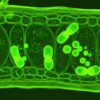
Damaged brain cells and neurons may still hold potential for recovery.
Image Source: haydenbird
The overall findings from this study suggest that bambuterol could assist in protecting neurons from Aβ-induced damage and help preserve brain cell function. However, more research is needed to confirm efficacy as a treatment for Alzheimer’s disease. Researchers continue to investigate bambuterol and similar drugs in hopes that medications already developed can be utilized for other conditions, such as Alzheimer’s disease.
While there is no cure for Alzheimer’s disease yet, the exploration of repurposing drugs like bambuterol provides a promising approach for future treatment options, bringing hope to many affected by this condition.
Featured Image Source: pikselstock