
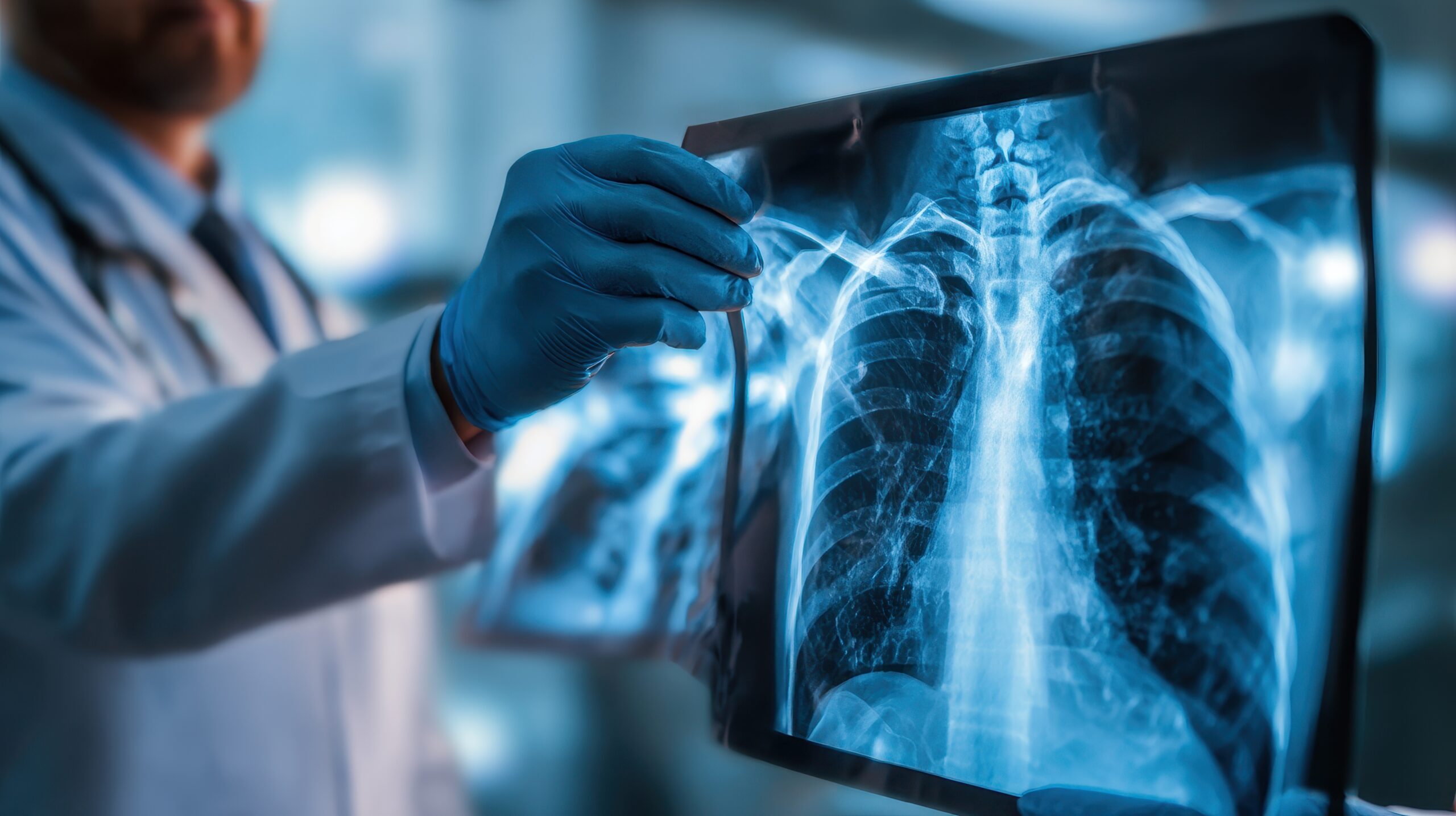


In the past, when people needed lung transplants, they are connected to an external device to maintain their oxygen levels. However, these systems do not maintain the required blood flow to the heart, so these systems are only a temporary solution in between transplants. This can be dangerous, since without proper blood flow, a person may not survive or be healthy enough to receive the transplant. However, a team at Northwestern has developed an artificial lung system, a solution to this issue.
The patient at the center of this development had acute respiratory distress syndrome, a condition where the lungs swell and fluids builds up in the alveoli. With fluid leaking into these air sacs, the lungs cannot fill with air, which means less oxygen for the bloodstream to absorb. And without oxygen, the organs cannot function. The 33-year-old developed ARDS due to influenza, and his condition worsened while on a ventilator due to a drug-resistant infection. Due to this infection, he went into septic shock, and his organs began to fail. With his lungs being the source of this infection, they had to be removed to save his life. Within 48 hours, his condition improved rapidly for lung transplant and has since shown no signs of impaired lung function.
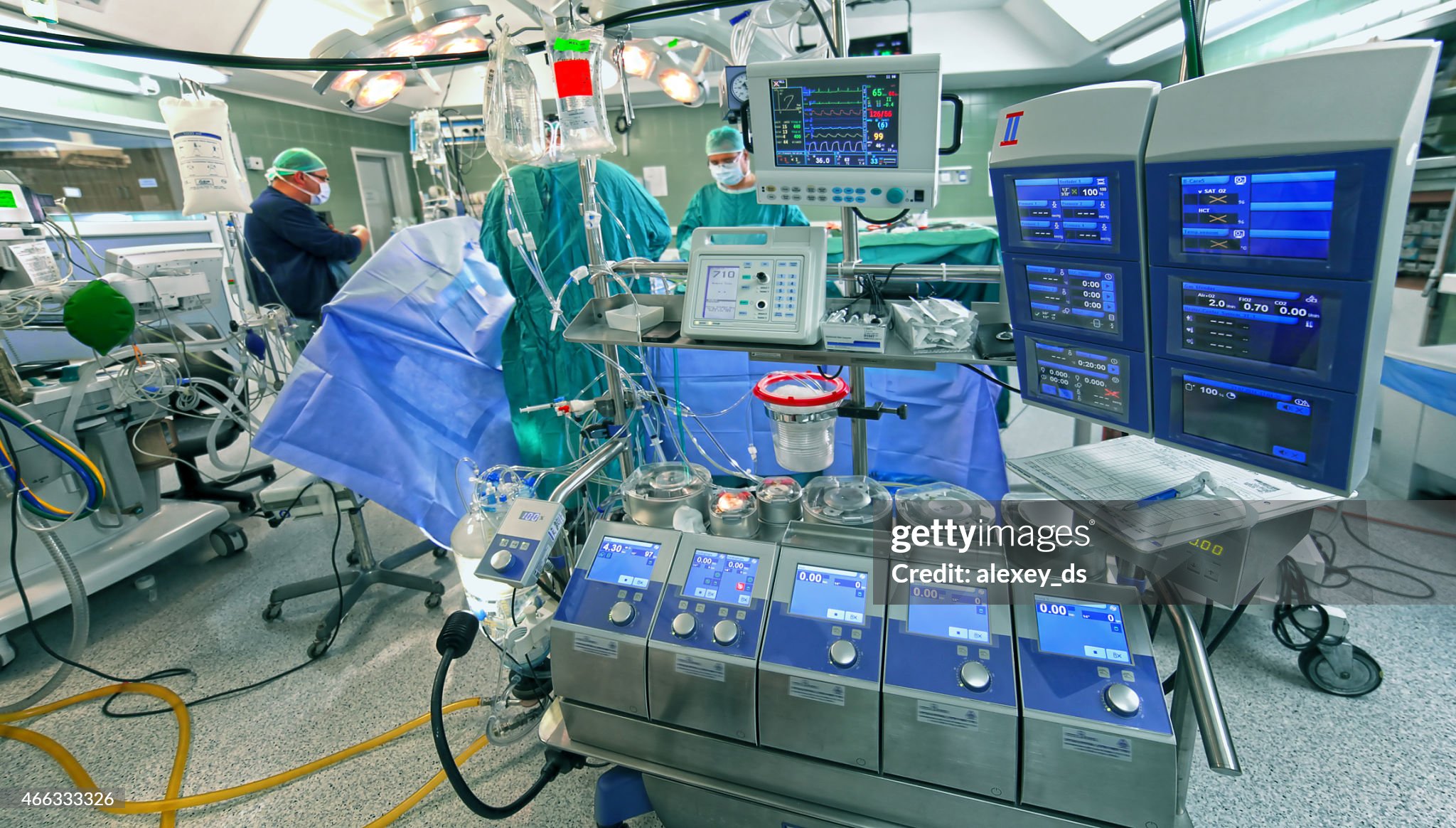
Surgery. Cardiopulmonary bypass machine
Image Source: alexey_ds
To understand how the artificial lung system works, one must understand the usual methodology in lung transplant cases. A patient’s lungs are kept in the body to maintain blood flow, while extracorporeal membrane oxygenation, or ECMO, oxygenates the blood and removes carbon dioxide. Blood is pumped through a machine to remove carbon dioxide and infuse oxygen. The artificial lung system does the same while maintaining the proper blood pressure to and from the heart.
Another important result of this study found that patients can have their lungs removed for a significant time while maintained on this artificial system. The lungs could then be treated directly and placed back into the body, possibly removing the need for transplants in simpler cases. However, due to the recency of this development, the study will collect more data on dying patients maintained on this system.
Featured Image Source: LimeSky