

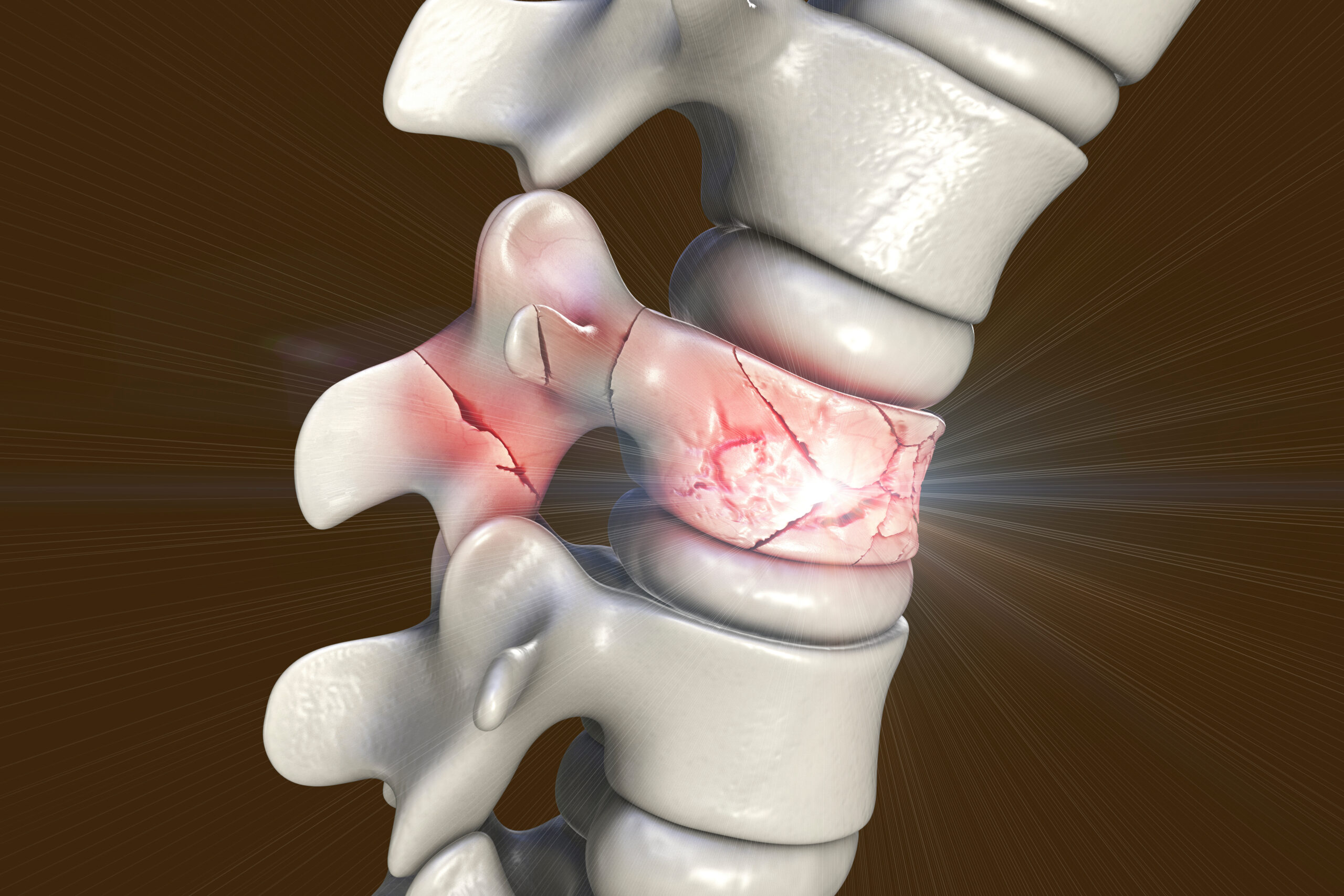


Traditional spine surgery relies on metal rods, screws, or plates to straighten and stabilize the spine, allowing both the metal and bone to fuse. However, with artificial intelligence (AI) revolutionizing modern medicine, spinal surgery is entering a new era of innovation.
AI is enhancing surgical precision by reshaping patient trust from traditional “one-size-fits-all” hardware to custom AI-engineered implants designed for each patient’s unique anatomy.
While standardized metal implants may seem effective, they are not customized to a patient’s unique spinal structure. The traditional universal approach can lead to complications including misalignments to tissue stress to further surgeries, making a unique fit is critical. A personalized approach is essential to a successful surgery and life beyond.
The process begins with AI analyzing a patient’s spine and detect alignment, curvature, and bone quality patterns to shape the custom implant. Using these CT and MRI scans, AI can then generate the patient’s spine in a 3D digital model. AI then uses the patient’s 3D spine model to design and create an implant blueprint, catering to each patient’s vertebrae. Unlike conventional, mass-produced implants, these offer a “one size fits once” assurance–fitted to only that patient. From 3D patient spine models to 3D implant matches, custom implants are set to optimize surgical outcomes by reducing risks and improving long-term success rates.
Patient AI Spine Model
Image Source: Sophie-Caron
It is important to note that with the implanted AI design, surgeons are able to approach procedures with a greater sense of confidence and by default, greater precision. With these two essential surgical elements combined, follows reduced post-operative discomfort and complications.
This newest innovation displays far more than a technical improvement, it is a path to major orthopedic and neurosurgical transformations in medical technology. As technology never seems to be halted, but rather driven, AI can refine patient-specific treatments. AI-driven spinal implants could be the beginning of a better and safer future where spinal surgery is no longer restricted by hardware, but instead, created to satisfy the unnecessary fears of spinal surgery to fulfill each patient’s unique anatomy.
Featured Image Source: Dr_Microbe