

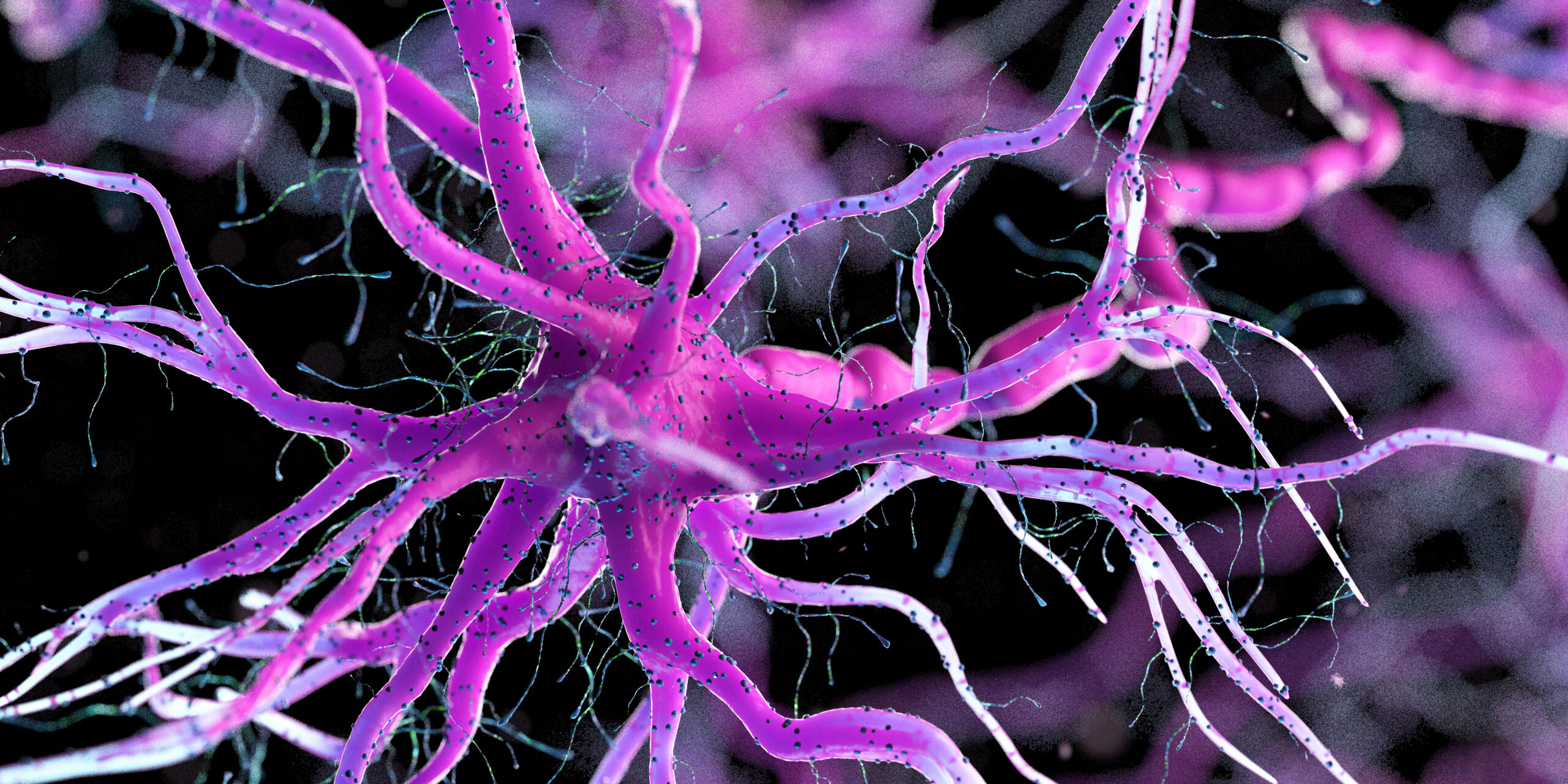


Scientists have long known that a protein called tau plays a major role in dementia like Alzheimer’s disease (AD). Under normal conditions, tau helps neurons, or brain cells, maintain their internal structure and transport materials inside the cell. But when tau becomes chemically changed and starts clumping together into toxic tangles, it disrupts neuron function, contributing to memory loss and other cognitive problems seen in people with dementia. Researchers have found that the amount of tau tangles in the brain correlates strongly with the severity of cognitive decline in AD.
AD can be extremely debilitating, with many cognitive symptoms impairing the quality of daily life.
Image Source: Halfpoint Images
Luckily, a recent study published in Cell has identified a new protein that may help protect neurons from AD by clearing tau before it can form harmful clumps. This protein, called CUL5, acts like a tiny cellular garbage collector that tags tau for disposal before it can damage the brain. Scientists used an advanced genetic tool called Clustered Regularly Interspaced Short Palindromic Repeats (CRISPR) to systematically turn off genes in lab-grown human neurons to find genes that influence tau buildup. Neurons with more CUL5 were better at preventing tau accumulation, suggesting that higher levels of CUL5 make cells more resilient to tau-related damage.
To test whether this cleaning mechanism also happens in real human brains, researchers looked at data from brain tissue donated by people with Alzheimer’s disease. Surprisingly, even in brains heavily affected by disease, some neurons remained healthy. Those surviving cells had higher levels of CUL5, pointing to its possible role in protecting against neurodegeneration.
This discovery is exciting because most current dementia research has focused on removing tau after it forms or on preventing its harmful effects. Scientists are now also testing new treatments that aim to clear tau tangles more directly. The hope is that since these treatments attack the root cause of AD, they will be more effective and will provide long-lasting benefits for patients.
While the idea of a CUL5-based treatment is still in early stages, it opens a new path in the search for dementia medicines. If researchers can develop drugs that boost CUL5 activity or similar tau clearance pathways in the brain, they may one day slow or prevent the brain damage that leads to memory loss.
Featured Image Source: Sebastian Kaulitzki